How to Cook When You Don't Feel Like Cooking
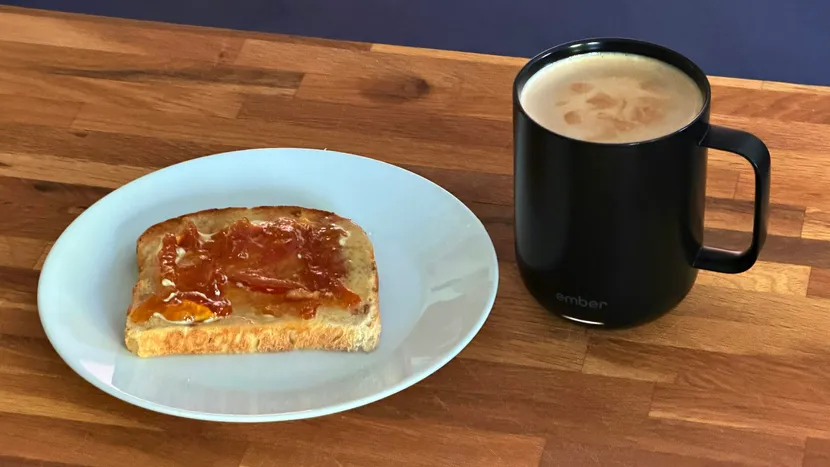
There is a category of evening where you have the time and you have the ingredients, and the thing you cannot do is start. The pans are there. The recipe is fine. You stand in the kitchen for a moment and then you do not cook.
This gets moralised at more than the other reasons for not cooking, and it deserves it least, because the resource that has run out is real and it is not time.
What has actually run out
Cooking is not one task. It is about a dozen, chained, each requiring a small decision: what to make, whether there is enough of it, what to do first, how hot, is that done, what to do while that happens, and then the clearing up, which is the part nobody counts and everybody dreads.
At the end of a hard day the thing in short supply is exactly that: the capacity to make a series of small decisions and keep going through them. It is the same resource your job spent, and it does not come back because you would like it to.
So the mismatch is not laziness. You are being asked for the one thing you have least of, at the moment you have least of it, and the alternative requires four taps.
Which means the answer is not to want it more.
Lower the bar until it clears your worst evening
Most people set their cooking standard at their best evening and then fail it four nights a week.
The standard needs to clear the worst realistic version of your week, not the aspirational one. That means the meals that count have to include ones you would be slightly embarrassed to photograph.
Beans on toast is dinner. A fried egg on anything is dinner. Pasta with butter, pepper and cheese is dinner, and is also a real dish that people pay for. A tin of soup with bread and a handful of grated cheese on top is dinner. Cereal, at seven in the evening, is dinner, and the world does not end.
The point is not that these are ideal. It is that naming them in advance as legitimate converts them from a failure into an option. Unnamed, they feel like giving up, so you skip them and order instead, which costs more and takes longer and leaves you feeling worse.
Have a floor, decided in advance
Pick two or three of those and keep the ingredients permanently in the house. Not as this week’s plan. As a floor.
Bread, eggs, pasta, a tin of tomatoes, a tin of beans, something salty. Whatever your version is. The rule is that you never run out, which means buying them whether or not you plan to use them.
The floor exists so that on the bad evening there is no decision left to make and no shopping to do. You are not choosing what to eat, you are executing the pre-agreed answer. That distinction is the whole value of it.
Stop cooking dinner as such
A surprising amount of the resistance is to the concept, not the food.
“Making dinner” implies a produced thing: a main, something on the side, a plate that looks composed. That framing is heavy, and it is heavier than what most people actually eat most nights.
Try eating instead. Bread, cheese, tomatoes, olives, a boiled egg, whatever is in the fridge, on a board, assembled rather than cooked. Nobody has to stand at a stove and nobody has to decide anything beyond what to get out. Half the countries in the world eat like this regularly and do not consider it a failure of effort.
Do the two minutes that make later easier
If you have any capacity at all on a good evening, spend it in a way that helps a bad one.
Cook double whenever you cook. The slow parts of cooking do not double, so a second portion costs a few minutes and buys an entire evening off. This is the single most useful habit for people whose problem is energy rather than time, and it is covered properly in batch cooking.
Wash up as you go, or at least fill the sink. The dread is often not the cooking, it is the kitchen you know you will be standing in afterwards.
And decide the week when you are able to, because the deciding is the expensive part. The six o’clock decision explains why the same choice costs almost nothing on a Sunday and defeats people on a Tuesday.
Cook the thing you want, not the thing you should
Motivation responds to appeal, and a lot of low-motivation cooking is made worse by aiming at food chosen for virtue rather than desire.
If the plan is a salad and you do not want a salad, the plan is not going to happen, and the ordering that follows will be worse than if you had just made the thing you actually wanted. Wanting to eat something is a genuine and useful signal on a night with no energy in it. Follow it.
When it is not really about cooking
Worth saying plainly, because the internet will sell you a system for this.
If nothing sounds appealing for weeks at a time, if the tiredness does not lift on your days off, if the whole business of feeding yourself feels heavier than it used to, that is not a kitchen problem and no meal planner is going to touch it. It is worth mentioning to a doctor. Not cooking is sometimes the visible edge of something else, and there is no system for that.
For an ordinary bad Tuesday, though, the floor and the lower bar are enough, and they work.
What to do
Name three floor meals. Buy their ingredients this week and keep buying them.
Cook double the next time you have energy, and put half in the fridge.
And on the evenings when you cannot start: eat the floor meal, without deciding anything, and do not treat it as having lost. It is what the floor is for.
If the deciding is the part that reliably defeats you, that is the job AnyRecipe does: the recipes you have actually saved, in one place where you can see them, a week picked from them in a couple of minutes, and the shopping list built from that. Free to download on iPhone and iPad. It cannot make you want to cook, and nothing can, but it can make sure the wanting is the only thing missing.
The five reasons people do not cook covers the other four, in case this one is not actually yours.
Frequently asked
Why do I have no motivation to cook?
Usually because cooking asks for the resource you have least of at the end of a day, which is not time but the capacity to decide things and keep going. It is a real limit, and pushing through is advice from someone having an easier week.
What should I eat when I have no energy to cook?
Whatever requires the fewest decisions and the least standing up. Toast with something on it, eggs, a tin of soup improved slightly, cereal. Naming these in advance as legitimate meals is the thing that makes them available on the night.
Is it lazy to not want to cook?
No. Cooking is a chain of about a dozen small tasks and decisions, and being out of capacity for that at the end of a hard day is an ordinary human state, not a character defect. Treating it as one makes it harder to fix.
How do I make cooking feel less like a chore?
Remove the deciding, cook something you actually want rather than something virtuous, and give yourself permission to make the boring version. Most of the dread is the deciding, not the cooking.