Learning to Cook as an Adult: Where to Actually Start
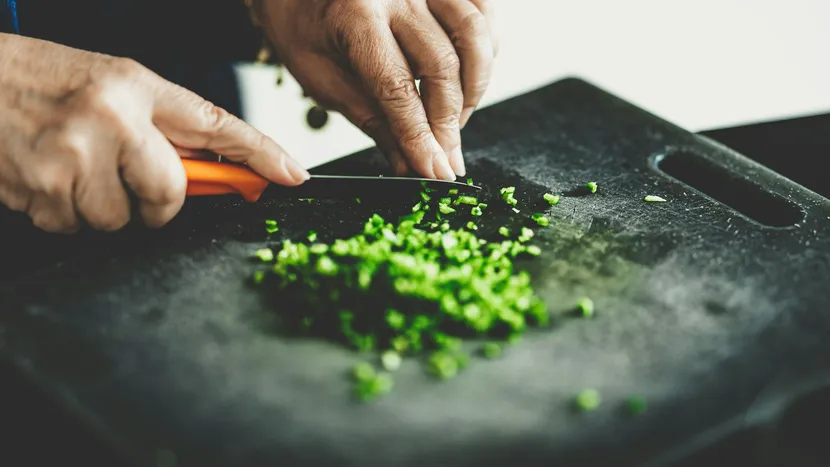
The reason learning to cook feels hard is that it looks like one enormous skill, and it is actually five or six small ones that get recombined endlessly. Once you can see the small ones, the enormous thing stops existing.
There is also a confidence problem, and it is worth naming directly: cooking badly in front of people you live with feels like being tested. It is not a test, nobody is grading it, and everyone who cooks well produced years of mediocre food first. That is not encouragement, it is just how it went for all of them.
Learn five meals, not five hundred techniques
The standard mistake is breadth. You watch videos, read about knife skills, buy a book, and cook thirty different things badly once each.
Do the opposite. Pick five meals you actually want to eat and cook each one four or five times until you can do it without reading the recipe. That is the whole method.
Repetition is where competence comes from, because the second time you make something you already know where the problems are, and by the fifth you are adjusting rather than following. Five meals cooked five times is a person who can cook. Twenty-five meals cooked once is a person who owns a lot of half-used spices.
Choose them for wanting to eat them, not for being educational. Motivation matters more than curriculum at this stage.
The six techniques
Almost all weeknight food is these, and you probably have two already.
1. Boiling and salting starch. Pasta, rice, potatoes, noodles. The technique is trivial and the only real skill is salting the water properly, which most beginners badly under-do. Salted water is the difference between pasta that tastes of something and pasta that needs rescuing with sauce.
2. Cooking onions properly. This is the one that changes everything and gets rushed by everyone. Most savoury dishes start here, and the difference between four minutes and twelve minutes on a medium heat is the difference between a dish that tastes thin and one that tastes finished. Nothing else on this list gives you as much return.
3. Roasting on a tray. Vegetables, chicken thighs, sausages, a whole meal at once. High heat, enough oil, do not crowd the tray, leave it alone. Almost no active skill, almost no washing up, and it is the most forgiving thing in cooking.
4. Eggs. Fried, scrambled, boiled, an omelette. Fast, cheap, endlessly repeatable, and eggs teach you heat control faster than anything else because they visibly punish a pan that is too hot.
5. Searing. A piece of chicken, fish, or steak in a hot pan. The skills are getting the pan hot enough, drying the surface first, and not moving it around. Three rules, one technique, an enormous number of meals.
6. A basic sauce. Something to put on the starch or the protein. Tomatoes cooked down with garlic. Yoghurt with lemon and herbs. Butter melted with pan juices. This is the one that makes food taste deliberate rather than assembled.
That is it. Braising, baking, fermenting, pastry and knife-work at speed are all real skills and none of them are needed to feed yourself well.
What to skip entirely, for now
Sharpening your own knives. Making stock. Any recipe with more than about eight ingredients. Anything requiring a thermometer. Baking, which is chemistry with punishment and shares almost nothing with cooking. Buying a stand mixer, a food processor, an air fryer, or a set of specialised pans.
Skip anything where the recipe assumes you know what “deglaze”, “fold” or “reduce by half” means without explaining it. Not because those are hard, but because a recipe that assumes them is written for someone else and will make you feel stupid for no reason.
The equipment list
One large frying pan. One saucepan with a lid. One baking tray. One sharp knife, and sharp matters far more than expensive. One chopping board. A wooden spoon.
That is a functioning kitchen. Add things when something you cook regularly actually requires them, which is a very different process from equipping in advance for cooking you have not done yet.
The three mistakes that make food taste wrong
Beginner food usually fails in the same few ways, and none of them are about talent.
Not enough salt. By a long way the most common. Salt is not a health villain in a home-cooked meal, it is what makes food taste like itself. Season as you cook rather than at the end, taste, and add more than feels correct.
The pan is not hot enough. Food put into a lukewarm pan releases water and stews in it, greyly. Wait for the heat. You will be surprised how long that takes.
Crowding the pan. Everything in at once drops the temperature and you get the same grey stewing. Cook in two batches. It is faster than it looks because the first batch actually browns.
Fix those three and your food improves more than any recipe will improve it.
Cook the same thing on purpose
The instinct once something works is to move on. Resist it for a while.
Making the same dinner three Tuesdays running is not a lack of imagination, it is practice, and it is the fastest route to the thing you actually want, which is being able to cook without concentrating. Variety is a reward you unlock later, and unlocking it early is why so many people stay permanently at the reading-the-recipe stage.
Where a collection starts to matter
Once you have five meals you can make, the problem changes shape. It stops being “can I cook this” and becomes “what am I cooking this week”, which is a different question and a much better one to have.
At that point it helps to have your five, then eight, then fifteen meals somewhere you can see them all at once, because the deciding is what starts to slow you down. The six o’clock decision is about that stage.
That is what AnyRecipe does: recipes saved from wherever you found them, including a photographed page or a reel, kept in one place with your own notes on what you changed. The notes are the underrated part when you are learning, because the fifth version of a dish should be better than the first and it will not be if you have not recorded what went wrong. Free to download on iPhone and iPad.
None of that is needed to start, though. Five meals, cooked repeatedly, more salt than you think. That is the entire beginning.
Frequently asked
How do I start learning to cook as an adult?
Learn five or six meals rather than five hundred techniques. Cook the same one four or five times until you can do it without reading, then add another. Competence comes from repetition, not from breadth, and repetition is the part beginners skip.
What cooking skills do I actually need?
Six cover most weeknight food: boiling and salting starch, frying an onion properly, roasting on a tray, cooking eggs, searing a piece of meat or fish, and building a simple sauce. Everything else is a variation on those or is optional.
What equipment do I need to start?
One large frying pan, one saucepan with a lid, one baking tray, one sharp knife, one board, a wooden spoon. That is a complete kitchen for most weeknight cooking. Almost every specialised tool can wait until something you cook regularly requires it.
How long until I am actually good at cooking?
You can be reliably useful in a few weeks, because five repeated meals is enough to feed yourself well. Being good in a broader sense takes years and is optional. The gap between cannot cook and feeds themselves competently is much smaller than it looks.